
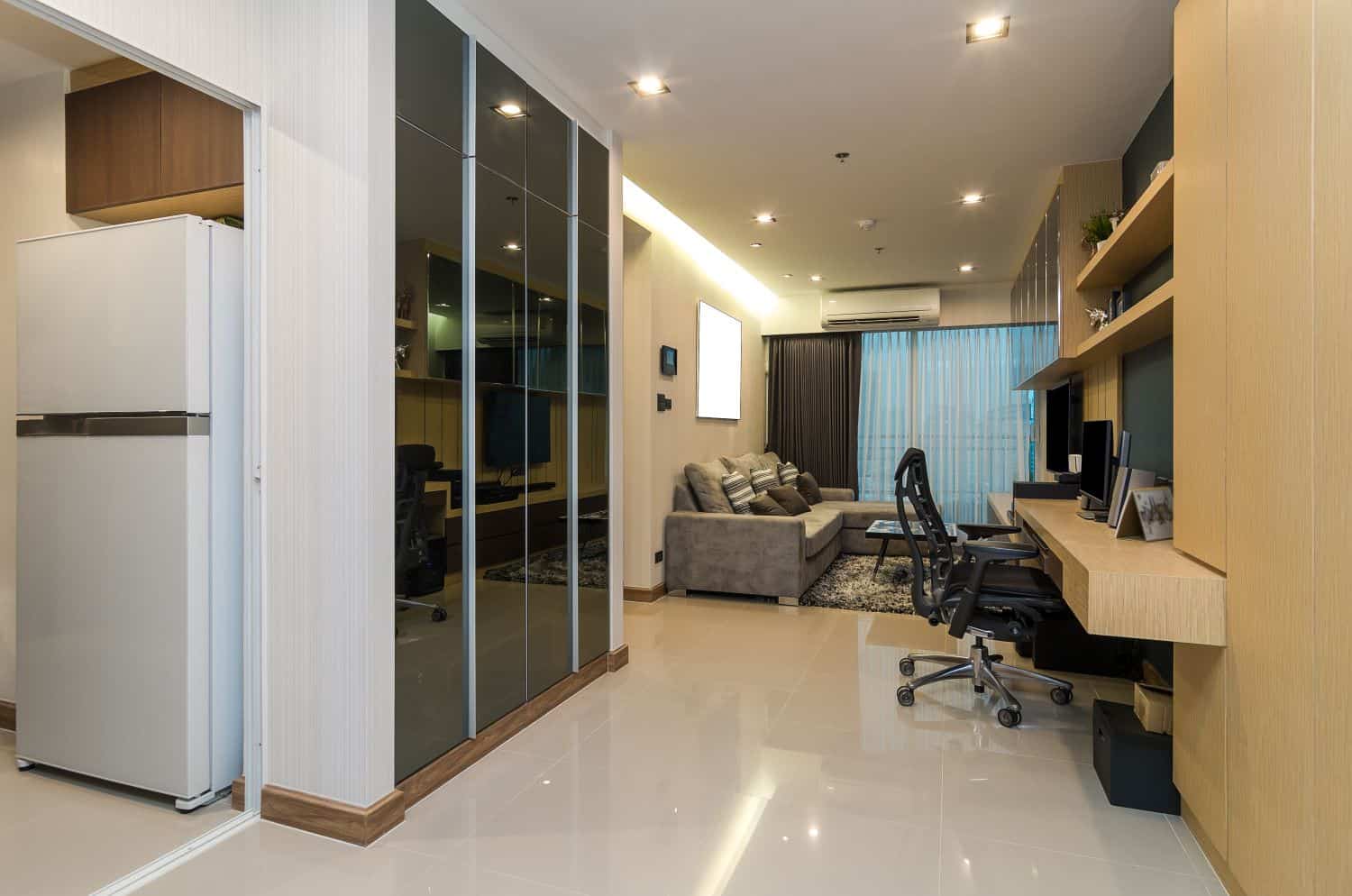

Bangkok interior design blends intense urban energy, rich Thai heritage, and a tropical climate that insists on pragmatic choices. Whether we’re designing a compact condominium in Sathorn, a shophouse conversion in Ari, or a boutique café in Thonglor, we balance aesthetic ambition with materials and systems that perform in heat and humidity. In this guide we unpack what defines Bangkok’s interiors, popular local styles, practical constraints, and how to work with designers, craftsmen, and suppliers here so your project succeeds on schedule and on budget.
What Defines Bangkok Interior Design
Historical And Cultural Influences
Bangkok’s interiors are layered: centuries-old Thai symbolism sits beside Chinese merchant influences and modern global trends. We see Buddhist motifs, lacquer and mother-of-pearl inlays, and the lingering footprint of colonial-era planning in certain neighborhoods. Family shrines and spaces for ritual are often integrated into home layouts, while commercial interiors frequently borrow auspicious colors and geomantic considerations to attract good fortune. Recognizing these cultural touchpoints is essential: design here isn’t purely aesthetic, it’s social.
Common Visual Characteristics And Motifs
Visually, Bangkok interiors favor warm woods, carved detailing, and a mixture of textures, from woven rattan and silk to concrete and metal. Patterned tiles and decorative screens are common room dividers: bold yet elegant color accents (deep reds, golds, and tropical greens) appear alongside neutral modern palettes. We often mix handcrafted Thai furniture with contemporary pieces to create spaces that feel both rooted and current.
How Climate And Urban Density Shape Design Choices
Bangkok’s subtropical climate and dense urban fabric force practical design decisions. Cross-ventilation, shading devices, and breathable fabrics aren’t optional, they’re central. Large glazing needs shading: courtyards and light wells are invaluable in dense plots. Acoustic considerations matter too: many interiors prioritize double glazing or noise-mitigating finishes in busier districts. Eventually, Bangkok interior design is the art of reconciling beauty with environmental resilience.
Popular Design Styles In Bangkok Homes And Businesses
Modern Thai And Contemporary Thai Fusion
Modern Thai blends traditional materials and motifs with clean-lined contemporary forms. We use teak or reclaimed wood with minimalist joinery, or reinterpret classic Thai roof profiles in ceiling details. This style reads accessible and local without feeling kitschy, perfect for homes and upscale restaurants that want a Thai identity presented through a modern lens.
Traditional Thai Elements And Heritage Interiors
For heritage projects or boutique hotels, we draw on traditional layouts, raised platforms, and ornate craftsmanship: carved altars, silk textiles, and lacquer finishes. Preserving original woodwork or exposing traditional roof structures preserves authenticity and tells a story, an increasingly prized quality among travelers and homeowners alike.
Minimalist And Tropical Modern Approaches
Minimalist tropical modern is hugely practical in Bangkok: pared-back palettes, large indoor plants, concrete or terrazzo floors, and louvers for ventilation. We favor durable, low-maintenance finishes that read calm and contemporary while responding to the climate, think sunken living rooms that open to verandas, or sliding glass that blurs indoor/outdoor boundaries.
Eclectic Bangkok Chic And Creative Adaptive Reuse
Bangkok’s creative neighborhoods are fertile ground for eclectic interiors and adaptive reuse. We’ve transformed old warehouses, shophouses, and cinemas into cafés and studios, keeping exposed brick, beams, and vintage signage. Eclectic Bangkok chic mixes second-hand finds, local art, and custom lighting to create spaces with personality and history.
Practical Considerations For Designing In Bangkok
Dealing With Heat, Humidity, And Ventilation
Controlling humidity is paramount. We prioritize mechanical dehumidification where occupants are sensitive, and passive strategies where possible: wide eaves, operable louvers, and cross-ventilation paths. Selecting finishes that resist mold, porcelain tiles, treated timber, and moisture-stable paints, reduces long-term maintenance.
Maximizing Small Urban Spaces And Natural Light
Many Bangkok residences are compact. We use multifunctional furniture, built-in storage, and vertical zoning to make tight plans feel generous. Light wells, skylights, and reflective surfaces amplify daylight while careful window placement prevents heat gain. In condos, glass partitions preserve sightlines and make interiors feel larger without sacrificing privacy when needed.
Material Durability, Maintenance, And Insect Resistance
Termite and moisture resistance matter. We recommend treated hardwoods, engineered alternatives for humid zones, and stainless or powder-coated metals for humid-exposed joinery. Outdoor textiles should be UV- and mold-resistant: finishes must allow easy cleaning after monsoon storms.
Regulations, Building Codes, And Condominium Rules
Bangkok projects must respect local codes and condo strata rules. Noise restrictions, balcony usage, and alterations to common areas can be tightly regulated. We always check building management policies early, a well-placed question to your condo board saves costly redesigns later.
Working With Local Designers, Craftsmen, And Contractors
How To Find And Vet Interior Designers In Bangkok
We recommend a three-step vetting approach: portfolio review, references, and a small paid trial or concept study. Look for designers whose past work demonstrates climate-savvy detailing and local sourcing. Ask for recent projects similar in scale and budget: request contact info for clients who can speak to scheduling and problem-solving.
Communicating Your Brief And Managing Language/Cultural Nuances
Clear briefs are crucial. We use annotated sketches, mood boards, and measured photos to avoid misunderstandings. While many Bangkok professionals speak English, cultural nuance matters, timelines, hierarchy on-site, and negotiation styles vary. We encourage openness and regular check-ins: short weekly updates or group chat threads reduce miscommunication.
Coordinating With Local Craftsmen For Custom Pieces
Custom woodworking, metalwork, and textiles are strengths of Bangkok’s craft sectors. We pair designers with local workshops early to iron out tolerances, finishes, and lead times. Visiting the workshop during prototyping lets us resolve issues quickly and ensures the finished product suits the humid environment.
Budgeting, Timelines, And Typical Project Phases
Typical Cost Ranges For Apartments, Houses, And Commercial Projects
Costs vary widely: a basic condominium refresh might start modestly, while a full bespoke apartment or townhouse renovation with custom joinery and engineered systems climbs higher. Commercial fit-outs (cafés, boutiques) add commercial kitchen or mechanical work. We advise clients to set a clear budget early and include a 10–15% contingency for hidden or regulatory issues.
Realistic Timelines And Milestones For Renovations
Renovation timelines depend on scale. A cosmetic condo revamp can take 6–10 weeks: structural alterations or full-house works are typically 3–6 months. Milestones we track: concept and approvals, procurement of long-lead items, demolition, main construction, MEP commissioning, and final snagging. Buffer time around monsoon season and public holidays is smart.
Value-Boosting Investments Vs. Cosmetic Upgrades
We prioritize investments that improve comfort and resale: improved ventilation, efficient AC and dehumidification, durable finishes, and reconfigurations that enhance spatial flow. Cosmetic upgrades, new paint, soft furnishings, or surface tiles, provide immediate visual impact but deliver limited long-term value unless paired with systems upgrades.
Sourcing Furniture, Materials, And Decor In Bangkok
Where To Shop: Markets, Malls, And Wholesale Districts
Bangkok offers everything from street markets to high-end showrooms. For bargains and local character we visit Chatuchak’s weekend markets, Sampeng Lane for fabrics, and the furniture clusters around Bang Na and Ladprao for wholesale pieces. Upscale options and curated boutiques are plentiful in Thonglor, Siam, and along Sukhumvit.
Ordering Custom Furniture And Working With Local Workshops
Custom workshops are accessible and skilled. We typically provide detailed CAD files and finish samples, and request prototypes for complex pieces. Lead times vary: plan for 4–8 weeks for bespoke timber furniture, longer for highly detailed inlays or imported hardware.
Sustainable And Locally Produced Materials To Consider
We try to prioritize reclaimed teak, certified plantation woods, natural fiber textiles (banana fiber, hemp blends), and low-VOC finishes. Local artisans produce excellent handwoven fabrics and ceramics, which add authenticity and reduce shipping footprints. Choosing locally produced materials not only supports craft economies but also ensures better climate suitability.
Conclusion
Bangkok interior design is a balancing act: aesthetics meet climate, culture, and practical constraints. When we design here, we start with climate-responsive systems and durable materials, then layer in cultural references, craft, and personal narrative. Working with trusted local designers and workshops, planning realistic budgets and timelines, and choosing sustainable, context-appropriate materials keeps projects on course. If you’re planning a project in Bangkok, we’d recommend beginning with a short feasibility study, it clarifies possibilities, anticipates local constraints, and eventually saves time and money while helping your finished space feel unmistakably of this city.