
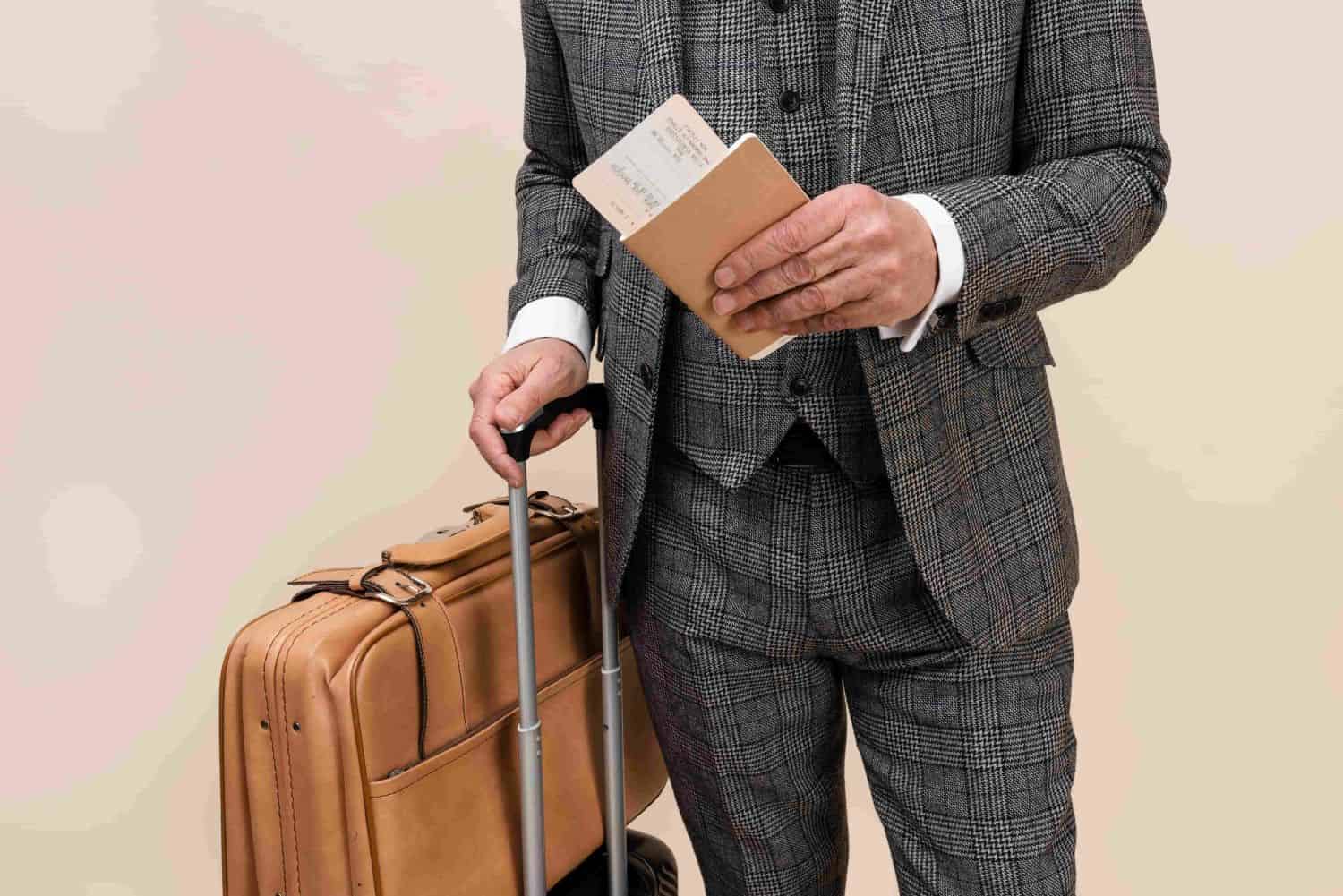

Landing in Thailand and leaving with a perfectly fitted bespoke suit is one of those “only in Bangkok” experiences. The city is packed with tailors, prices are far lower than in most Western countries, and turnaround times can be incredibly fast.
But that mix of choice and speed can be a blessing and a trap. Not every “bespoke tailor Bangkok” sign on Sukhumvit Road delivers the same quality, and not every traveler has time to fix mistakes.
In this guide, we’ll walk through how to pick the right tailor, what the process really looks like, and how to make smart fabric and style decisions so we walk onto our flight home with a suit we’re genuinely proud to wear.
Why Bangkok Is A Global Hub For Bespoke Tailoring
Bangkok didn’t become a tailoring hotspot by accident. Several factors came together to make it one of the best places in the world to commission a suit while we travel.
Skilled craftsmanship at competitive prices
Thailand has a long tradition of textile work, and Bangkok’s tailoring industry has matured around serving demanding international clients, business travelers, diplomats, and style-conscious tourists. Many cutters and tailors here have trained for decades, often in workshops that quietly supply suits to high-end boutiques abroad.
Because labor and overhead costs are lower than in Europe or North America, we can access that craftsmanship at a fraction of the price. A solid, fully canvassed bespoke suit that might cost several thousand dollars in London or New York can be well under half that in Bangkok, depending on fabric.
Fast turnaround that actually works
Bangkok’s tailors are used to working with travelers on tight schedules. It’s common to see a suit go from first measurement to final fitting in 3–5 days, with multiple fittings in between. That speed is only possible because most reputable shops keep pattern cutters, tailors, and finishers in-house or in closely managed local workshops.
Huge fabric selection
From Italian mills like Loro Piana and Vitale Barberis Canonico to durable everyday wool blends, we’ll find an impressive range of fabrics in the city’s better tailoring districts. This gives us real flexibility, whether we’re after a sharp business suit, a breathable travel blazer, or a tuxedo for special occasions.
In short, Bangkok combines price, speed, choice, and skill in a way few cities can match, which is why “bespoke tailor Bangkok” has become a search term in so many travelers’ planning notes.
Bespoke, Made-To-Measure, Or Off-The-Rack: Know The Difference
Before we walk into any shop, we need to be clear on what we’re actually buying. Tailoring terms get used loosely in tourist areas, and that’s where disappointment often starts.
Bespoke
Bespoke means a unique pattern is drafted from scratch for our body. The cutter takes detailed measurements and observations, posture, shoulder slope, stance, even how we move. The suit is built in stages, with at least one (ideally two or more) intermediate fittings where the garment is adjusted on us before final finishing.
Key signs we’re getting true bespoke:
- A paper pattern with our name on it is created and kept by the shop.
- We’re offered a basted fitting (a rough, loosely stitched version of the suit to fine-tune shape).
- Adjustments are made based on how it looks and feels on our body, not just on measurements.
Made-to-measure (MTM)
Made-to-measure starts from an existing base pattern that’s adjusted to our measurements and preferences. We still choose fabric, lining, and style details, but there’s less fundamental reshaping of the garment.
MTM often:
- Needs fewer fittings (sometimes only one).
- Is slightly cheaper than full bespoke.
- Works well if our body shape is relatively standard and time is limited.
Off-the-rack
Off-the-rack suits are pre-made in standard sizes. Some Bangkok shops will sell us one and then do alterations (shorten sleeves, take in the waist, etc.). It’s the fastest option but the least personalized.
When we see a sign that says “bespoke tailor Bangkok – 24-hour suit,” we should assume it’s closer to made-to-measure or heavily altered off-the-rack than true bespoke. That’s not always a dealbreaker, but we should know what we’re paying for.
How To Choose The Right Bespoke Tailor In Bangkok
With so many tailors in Bangkok, choosing the right one matters more than any individual style choice. Here’s how we can filter the options fast.
Look beyond the street hawkers
If someone is chasing us down Sukhumvit with a laminated menu of suit prices, we’re not dealing directly with the person who’ll cut our pattern. Better shops don’t need to hard-sell: their customers find them by word of mouth and reputation.
We should:
- Research online reviews, but read them critically (look for detailed, specific feedback, not just “great suit, great price”).
- Check if the shop shares photos of their own work, not stock images.
- Prioritize consistency over one or two glowing reviews.
Ask the right questions
Once we’ve shortlisted a few “bespoke tailor Bangkok” options, we can visit in person and ask:
- Do you make a unique pattern for me, and do you keep it for future orders?
- How many fittings will we have, and on what days?
- Is the suit half canvassed or full canvassed, or is it fused? (Canvas generally breathes better and drapes more naturally.)
- Where is the work done, on-site or in a local workshop you control?
The answers don’t have to be perfect, but they should be clear and confident. If the staff can’t explain construction or seem offended by basic questions, we move on.
Judge the shop by its samples
We should take a few minutes to handle the sample jackets and suits on display:
- Feel the chest area, does it feel like there’s soft structure (canvas) or just a flat, stiff layer (fusing)?
- Check the stitching around the armholes and lapels. Clean, even stitching is a good sign.
- Look at buttonholes and lining, are they neat, or messy and fraying?
Also, pay attention to how the staff wear their own clothes. A tailor in Bangkok who understands proportion and fit will usually demonstrate it on themselves.
What To Expect From The Bespoke Tailoring Process
Knowing the steps ahead of time helps us plan our trip and avoid rushed decisions.
1. Consultation and measurements
We start by discussing when and where we’ll wear the suit, business, weddings, travel, or just a versatile all-rounder. The tailor will usually:
- Take 15–25 measurements.
- Assess posture, shoulder slope, and any asymmetry.
- Talk us through style options (lapels, vents, pockets, trouser rise, etc.).
This is the stage to show reference photos and be honest about our preferences.
2. Fabric and design confirmation
Once the cutter understands what we want, we confirm:
- Fabric (weight, color, pattern, composition).
- Lining (from sober to loud, Bangkok tailors often have fun options).
- Details like lapel width, button stance, ticket pocket, side tabs vs belt loops, functional sleeve buttons, and so on.
3. Basted or first fitting
For true bespoke, we’ll usually have a basted fitting within 24–48 hours:
- The jacket and trousers are roughly constructed with white basting stitches.
- The tailor checks length, balance (does the jacket hang evenly front and back?), shoulder line, and waist suppression.
- We flag any discomfort, tight across the back, pulling at the shoulders, or gaping around the collar.
4. Second fitting and fine-tuning
The next fitting is closer to the finished garment:
- Sleeves, lapels, and pockets are in proper position.
- Trousers are hemmed to a provisional length.
- The tailor fine-tunes drape, taper, and overall silhouette.
If we’re in town long enough, a third quick fitting can be invaluable to nail details.
5. Final pickup
At pickup, we should:
- Try everything on again with the shoes we’ll actually wear.
- Sit, walk, and move our arms.
- Check the back view in a mirror or with photos.
Minor tweaks are often still possible if we’ve left enough time before our flight.
Essential Fabrics And Style Decisions For Your Bangkok Suit
A good bespoke tailor in Bangkok will guide us, but it helps to arrive with a sense of what works in the climate and in our everyday life back home.
Fabric choices
- Tropical-weight wool (around 220–260g): Ideal for Bangkok’s heat and still perfectly respectable in most offices worldwide. Breathable, drapes beautifully.
- Wool blends (wool + a bit of polyester or elastane): More budget-friendly and durable, but can feel warmer and slightly less refined.
- Linen or linen blends: Fantastic for casual summer wear and beach weddings. Expect wrinkles, that’s part of the charm.
- Cotton: Great for relaxed, slightly structured suits or separate trousers.
If we live in a cooler climate, we can still order a slightly heavier three-season wool, but it’s wise to avoid very heavy flannels on a short Bangkok trip, they’re less commonly stocked and may limit our choices.
Color and pattern
For most travelers, we recommend:
- Navy or charcoal as the first suit, versatile for business, events, and travel.
- Medium gray or lighter blue for a second suit, offering a bit more personality.
- Subtle patterns like pinstripes or windowpane checks only if our wardrobe already has the basics.
Key style decisions
- Lapels: Notch lapels for business and versatility: peak lapels for a bolder, more formal statement.
- Buttons: Two-button single-breasted suits flatter most body types and feel modern but classic.
- Vent style: Double vents are usually best for movement and a clean line across the back.
- Trouser rise: A slightly higher rise is more comfortable in heat, sits better when we’re seated, and pairs well with tucked shirts.
We should also think about how often we’ll travel. Frequent flyers might ask for wrinkle-resistant fabrics, slightly roomier cuts, and half-lined jackets for comfort.
Practical Tips For Travelers Getting A Suit In Bangkok
Even the best bespoke tailor in Bangkok can’t overcome a wildly unrealistic schedule or lack of planning. A few logistical decisions make the difference between a cherished suit and a regret.
Give yourself enough time
Ideally, we plan at least 4–5 full days in Bangkok if we want a truly bespoke experience with multiple fittings. For made-to-measure, 2–3 days can work, but the more buffer we build in, the safer we are.
We should visit the tailor on our first or second day in the city, not the last.
Dress smart for fittings
Bring or wear:
- The type of shoes we’ll usually wear with the suit.
- A dress shirt of similar thickness to what we’ll use back home.
This helps the tailor judge pant length, jacket balance, and collar fit more accurately.
Mind the climate and humidity
Bangkok is hot and humid most of the year. When we try on our suit, we may feel warmer and slightly swollen compared to back home. A good tailor will leave minimal but necessary ease so the suit doesn’t feel tight in cooler, drier climates.
Plan for carrying the suit home
A proper suit carrier makes a big difference on a long-haul flight. Many tailors will provide one: if not, it’s worth buying. On the plane, we can:
- Ask cabin crew if they can hang the suit.
- Or fold it carefully in the overhead bin to minimize creasing.
Unpack and hang it as soon as we reach our hotel or home, and consider a light steam to freshen it after travel.
Conclusion
A trip to a bespoke tailor in Bangkok can easily become the highlight (and the most useful souvenir) of our time in Thailand. When we understand the differences between bespoke and made-to-measure, choose our tailor carefully, and allow enough time for fittings, we stack the odds heavily in favor of walking away with a suit that fits as well as anything we could buy back home, often for much less.
Instead of treating it like a rushed tourist box to tick, we can approach it as a short, enjoyable project during our stay. A few fittings, some smart fabric decisions, and clear communication with the tailor are usually all it takes.
Below are a few final practical angles we shouldn’t overlook before we book that first appointment.
The Bespoke Tailoring Timeline: From First Fitting To Final Pickup
If we’re planning our itinerary around a bespoke suit, a realistic timeline looks like this:
- Day 1 (morning or early afternoon): Consultation, measurements, fabric and style choices.
- Day 2: First fitting (often a basted fitting for true bespoke). Adjustments are marked.
- Day 3: Second fitting with a more finished garment. Fine-tuning silhouette and comfort.
- Day 4–5: Final fitting and pickup, with any last-minute tweaks.
For made-to-measure, the process may compress into two visits (order + final try-on), but we shouldn’t count on a proper bespoke tailor in Bangkok delivering anything that fits well in under 48 hours. Possible? Sometimes. Advisable? Not if we care about precision.
If we’re only in the city for two days, we may be better off going for a high-quality made-to-measure suit and planning a future trip for full bespoke.
Hidden Costs, Add-Ons, And How To Compare Quotes
Two tailors may quote wildly different prices for what sounds like the same suit. To compare fairly, we should look deeper than the headline number.
Key questions:
- What’s included in the base price? Extra trousers, waistcoat, shirts?
- Is the jacket half or fully canvassed, or is it fused? Canvas usually costs more but wears and feels better.
- Are details like working surgeon’s cuffs, pick stitching, and fancy linings extra?
- How many fittings are included? An extra fitting or alteration later might cost more.
We also want the exact fabric reference, mill, composition, and weight. Two “Italian wool” suits can be completely different in quality and price.
When we compare at least two or three quotes, we usually see a pattern: the cheapest offers often involve fused construction, generic fabrics, and minimal fittings. That might still be fine for a quick travel suit, but at least we’re making an informed call.
Suits, Shirts, And More: What To Get Tailored While You Are There
Once we’ve found a bespoke tailor in Bangkok we trust, it’s tempting to order everything. We don’t have to, but there are a few smart additions to consider while our measurements and pattern are fresh:
- Dress shirts: Custom shirts are relatively affordable in Bangkok and can transform how a suit looks. We can tweak collar style, cuff type, and overall length for our body.
- Extra trousers: Trousers wear out faster than jackets. Adding a second pair in the same fabric extends the life of the suit significantly.
- Odd trousers and chinos: Versatile for both travel and casual offices.
- A sport coat or blazer: Especially in a textured fabric (like hopsack or a subtle check) that pairs well with jeans or chinos.
Because our pattern is already created, re-ordering later, sometimes even from abroad, is much easier. Many Bangkok tailors will happily make additional shirts or trousers based on our existing pattern and ship internationally.
If we treat this trip as the start of a long-term relationship with a trusted tailor rather than a one-off impulse purchase, we don’t just come home with one good suit, we set ourselves up for a better-fitting wardrobe for years to come.
A well-fitted suit changes how you move, how you’re perceived, and how long the garment stays relevant in your wardrobe. Choosing a bespoke tailor bangkok during your trip gives you access to experienced craftsmanship, efficient turnaround times, and a process built around your measurements rather than generic sizing. With the right consultation and fittings, the result isn’t just a suit you wear once, but a piece designed to travel with you through years of work, events, and evolving style.